
RESOURCEFUL, PART II
for Black Bile Friday!

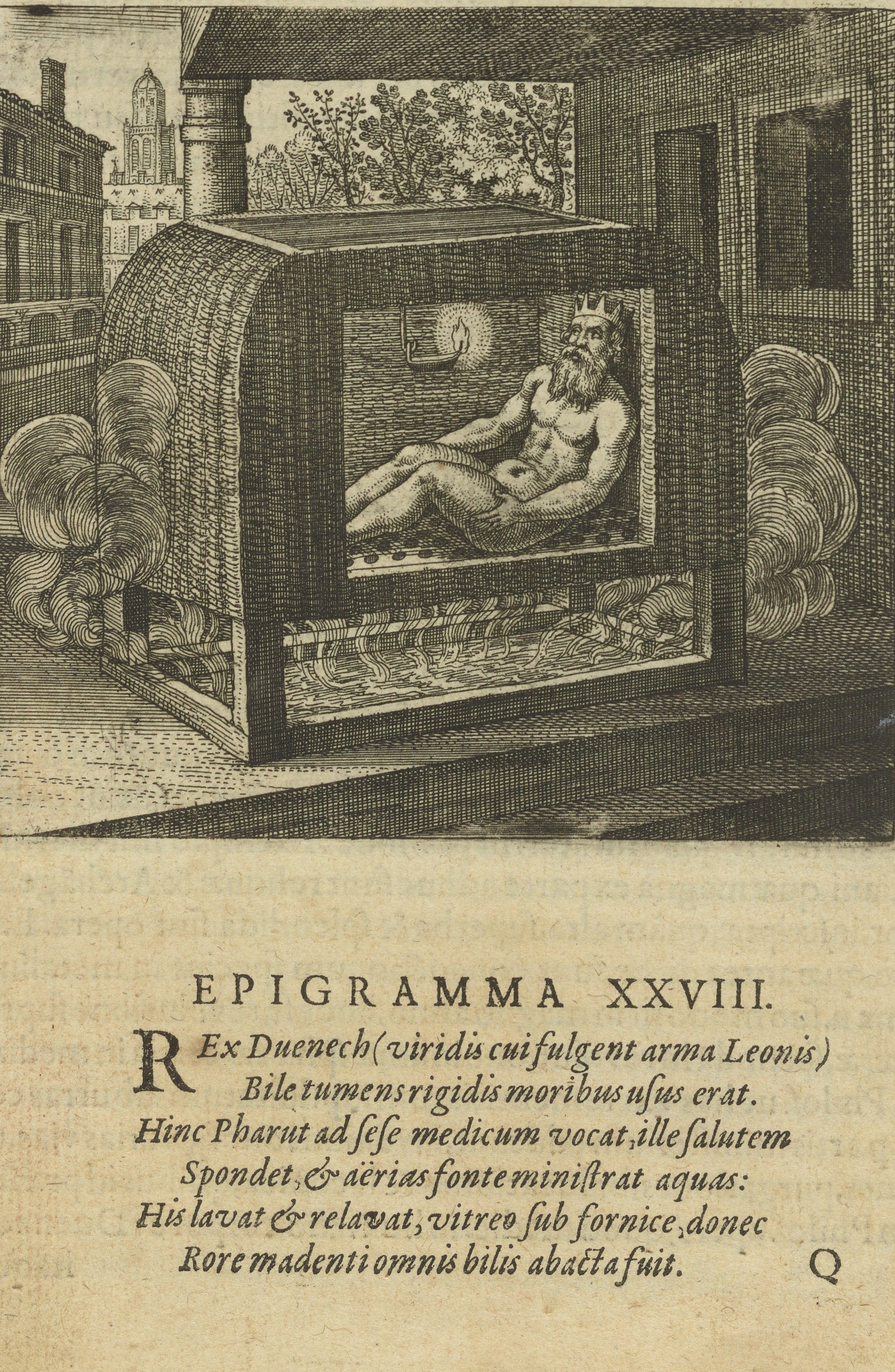
Are the toxic waste products of Global Capitalism making us feel melancholia?
Or simply the dry cold of late autumn affecting our essential humors?
Perhaps we need a hot steam bath fit for a King to drive out the black bile, the stagnant waste of our modern world?
Or some herbal resources to connect us with a deeper community and tradition, something to bring a sense of balance.
Well, here at Community Herbalism …
We are offering a BLACK BILE FRIDAY deal!
MORE FREE RESOURCES (scroll down past the black bile!)
Hopefully, you have checked out our first resources post from earlier this year:
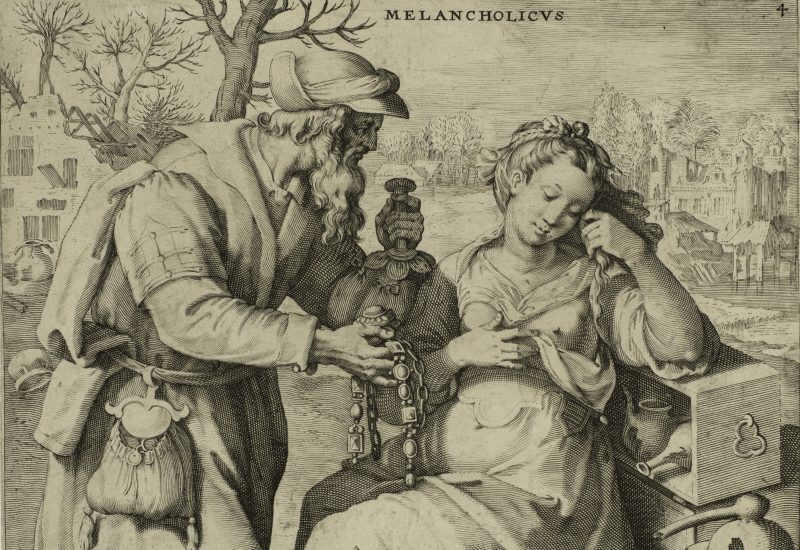
But first a note about Black Bile
Black Bile is a concept that comes down to us from the Greeks and humoral medicine. Black bile was one of the four “humors” of Greek medicine.
Being generated by and subject to the process of pepsis, which is basically digestion and metabolism, change and transformation, humoral disorders typically go through a process of change or metamorphosis as the offending morbid humors are ripened, or concocted … Each humor, according to its nature and temperament, as well as its physiological functions, has certain parts of the organism where it likes to reside, to which it has an affinity. These are the receptacles and accumulation sites for the Four Humors.
Black bile was associated with the spleen, the portal vein, the stomach, large intestine, bones, joints, peripheral nervous system and liver.
When a humor gets excessive or aggravated, it first builds up in its receptacle, and then in its accumulation sites. As pathology progresses, the excessive or aggravated humor will overflow these accumulation sites, and can spread to invade any part of the organism. However, an aggravated humor prefers to gravitate towards an organ, tissue or body part whose inherent nature and temperament gives it a special affinity for, or vulnerability to, the humor in question.
Black Bile: Constipation, colic, irritable bowel; anorexia, poor appetite; nervous or sour stomach, chronic or indolent gastroduodenal ulcers; portal congestion or hypertension; veinous blood congestion, clots and embolisms; tremors, tics, neuralgias, neuraesthenia; nervous, spasmodic and neuromuscular disorders; seizures and convulsions; arthritic and rheumatic disorders; abnormal growths and hard tumors; splenic disorders; intestinal obstruction.
As you can see, the concept of black bile makes us think of the toxins that can build up with poor digestion and elimination. And it is not surprising that this condition is associated with melancholy.
Hildegard of Bingen, the 12th century mystic herbalist offered a remedy to purge “black bile”. She recommended Flea Seed, otherwise known as Psyllium Seed, seed of the herb Plantain. Singaporean herbalist Sebastian Liew writes that fleaseeds bind to toxins, excess cholesterol and harmful hormones, and carry them out of the system. They become mucilaginous in contact with water and support healing of leaky gut. They are particularly useful to ease “dry constipation”.
Because the “black bile” temperament was associated with the COLD and DRY states, the Greeks recommended herbs and treatments that were warming and moistening to the digestion - aromatic, carminative herbs like Basil, Cumin, Dill, Sage, Fennel, Coriander … plenty of fluids and moistening herbs. Also, bitters to stimulate digestion:
the best bitter tonics for treating Melancholic digestive disorders are only moderately bitter, and also pungent, aromatic or acrid as well. Good examples of bitter tonics for treating Melancholic digestive conditions, which fit this description, include Blessed Thistle (Carduus benedictus), Yarrow (Achillea milfolium), Celandine (Chelidonium majus), and Sage (Salvia officinalis).
In Conclusion,
If we are experiencing an accumulation of toxic waste that we are unable to eliminate, we may be experiencing the “black bile”.
It may cause a feeling of melancholy. It may be an occasion to use certain herbs to help metabolize and eliminate these toxins.
But if it is the toxic world that is the cause, we may need to use a different kind of treatment:
Intimacy, Friendship, Love, Experimental Art, Gardening, Community gatherings, Service, Touch, Resistance, Non-conformity, Cash, Farming, Alternative systems
As herbalist David Hoffman said in an interview with Rosemary Gladstar:
“I’m a bit concerned about how U.S. herbalism is really diving into adaptogens. Adaptogens are totally crucial and important. The insight about their need is not, “Let’s all use Ashwagandha.” The insight is: “Let’s change our lifestyle so we’re not as stressed.” Using herbalism to make our place in 21st century culture more comfortable is an abuse of herbalism. We need to get rid of 21st century culture - then we probably wouldn’t be stressed.”
RESOURCEFUL, PART 2
David Winston
“David Winston is an internationally known lecturer, author, ethnobotanist and the founder of Herbalist & Alchemist.
For over 45 years, David has been studying, practicing, teaching and researching Chinese, Western/Eclectic and Southeastern American herbal traditions. David’s world-renowned two-year herbal studies program, the David Winston Center for Herbal Studies, has been educating Herbalists, Physicians, Nurses, Naturopathic Physicians, Veterinarians, and Nutritionists in the art and science of clinical herbal medicine since 1980.
David has one of the largest private herbal research libraries in the U.S. The Herbal Therapeutics Research Library has over 8000 volumes, from 1550 to present, and over 15,000 articles on file. This library is a working library used for research for the herbal and nutritional industry as well as for his writing and for Herbalist & Alchemist.
David was one of the professional herbalists who founded the American Herbalists Guild, the first professional herbalists’ organization in the US, which certifies clinical herbalists. He is on the professional membership review committee. David Winston has been on the Review Committee of the Botanical Safety Handbook, which produced a significant information resource, which the entire botanical industry, from manufacturers to researchers, relies upon.
He is the clinical herbal consultant to hundreds of prominent physicians (MDs, NDs, DOs, DCs) throughout the US, Canada and Europe. David has authored hundreds of articles and a number of books on herbs.”
— From https://www.davidwinston.org/
The RESOURCES page on David Winston’s website is a treasure chest of information, organized into sections including his own articles, “Botanic Medicine” resources, “Eclectic Medicine” resources, “Ethnobotany” resources, “Thomsonian Medicine / Physiomedicalism” resources and Links.
Henriette Kress
Henriette is a Finnish herbalist in Helsinki. She was first introduced to herbs by her grandmother, who took her out into the woods and showed her the red color you get when you crush yellow St. John’s flowers between your fingers. “it’s been herbs ever since, except for a pause in my teens for boys.”
Her website has tons of information on many herbal topics, including a download of the classic King’s Dispensatory, 4300 plant pictures, and lots of articles.
Henriette’s Herbal Homepage
Welcome to the bark side.
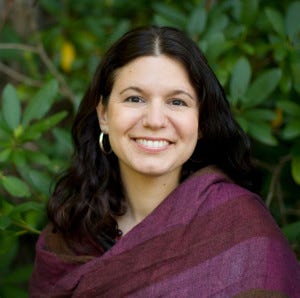
Maria Noël Groves - Wintergreen Botanicals
Maria is a clinical herbalist, educator and author of Grow Your Own Herbal Remedies, Herbal Remedies for Sleep, Body Into Balance, and the upcoming Herbal Gut Health.
Her website contains an amazing deep well of information, incredible resources for understanding herbs, but also for growing and preparing herbs!
Expand Your Knowledge
“These free class notes and handouts are from my most popular classes as well as short/free classes where students got a handout with the option to download a lengthier version of the notes here. Click the linked title to download the PDF to your computer. Also enjoy selected videos …”
Blog ~ Good Health Grows in Nature
Here you not only can view her informative herbal blog posts, but dive deeper into rich portals of information:
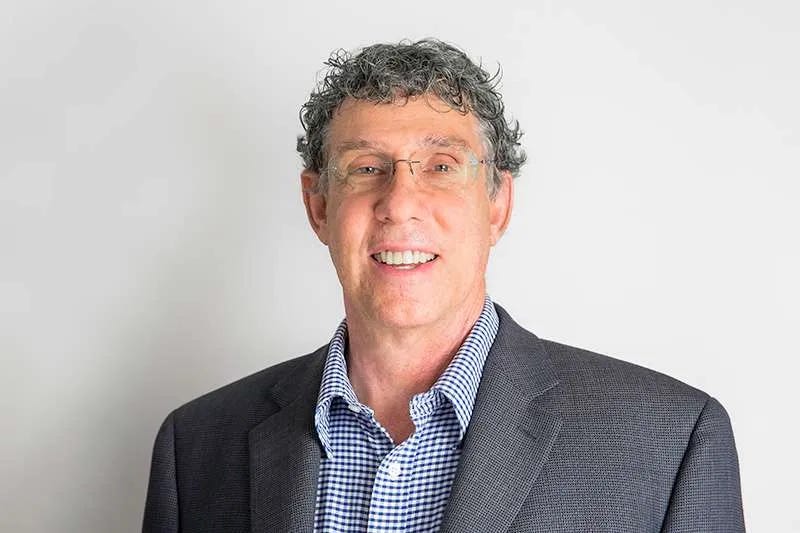
Alan Tillotson - Chrysalis Natural Medicine
Traditional Chinese and Ayurvedic Medicines, Acupuncture, Vitamins and Functional Medicine
His website was designed by himself as an online version of his book, The One Earth Herbal Sourcebook:
“a resource and learning tool designed for physicians, health care practitioners and others from around the world who want to learn practical ways of solving complex health problems using natural methods. Simply reading through the entire 200+ page website, using the top right navigation menu, constitutes an entire free online course in herbal medicine.”
Patient and Professional Resource Library
Click above for a free Herbal Medicine Course, “Specialties and Systems”, “Herb Encyclopedia”, and “Disease Encyclopedia”.
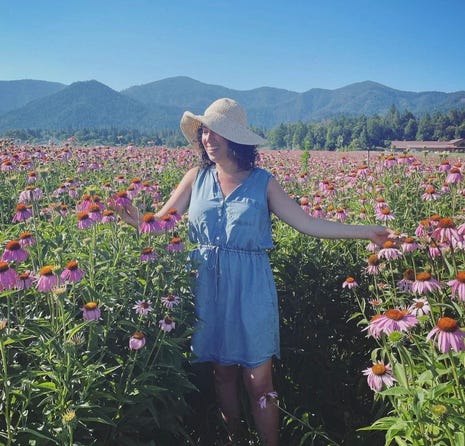
Jade Alicandro - Milk & Honey Herbs
“Jade Alicandro weaves a love of bioregionally abundant herbs and kitchen medicine into her work as a community and clinical herbalist.”
“When she’s not teaching or working with clients, you can often find her roaming the hedges with her harvest basket in-hand or at home in the kitchen brewing-up some potent food as medicine. She’s a mother, tender of a menagerie of animals (including chickens, goats, kittens and beloved family pup), naturalist, avid forager, and half-gardener to her mostly wild gardens. Deeply inspired by ancestral herbalism, she draws on the wisdom and traditions of her Southern Italian and Greek ancestors and carries this lineage forward in her personal herbal practice, cooking, and celebration of seasonal and earth-based rhythms.” - Milk & Honey Herbs
Jade’s BLOG
is a beautiful and unexpectedly abundant source of information! We first happened upon her work through a link to one of her blog posts, “The Winter Herbal Medicine Cabinet”
As we move into winter, this particular post is a great resource for stocking up your herbal supplies for the season. But check out all of her work!
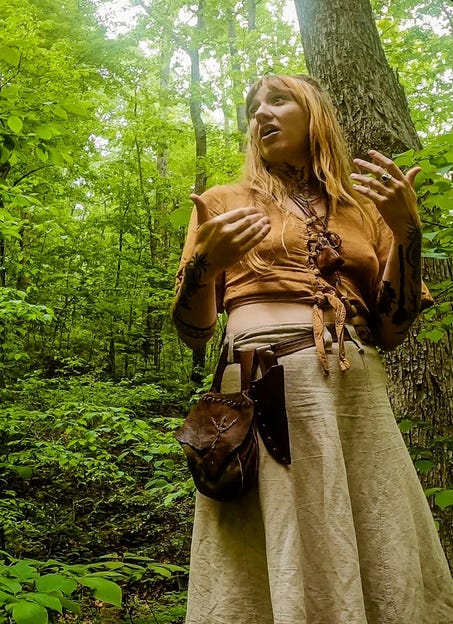
Rebecca Beyer - Blood and Spicebush
Appalachian Folk Magic and Medicine, Wild Food, Hedgecraft, Ritual Jewelry
“I am a practitioner of Hedgecraft.
By looking to the past we can find connection with ancestral lifeways while addressing cultural appropriation.
I focus my work and research on bringing to light the historical folklore of plants, Traditional Witchcraft and how one can integrate them to live a more connected and meaningful life. Through workshops, classes and lectures I hope to share this with those seeking to join me on this journey.
Not New Age but THIS age. Looking to the past and understanding the true stories of plants can help us live a more just and connected life.”
Rebecca’s blog posts
are fascinating and incredibly informative! They include an amazing series on tree medicine, “The Folkloric Uses of Wood”. And then there is her reading list, which explores a very powerful side of herbalism which is less often addressed in conventional treatments on the subject.
Recommended reading for Traditional Witchcraft, American Folk Magic, Appalachian Folk Magic and More.
ENJOY!
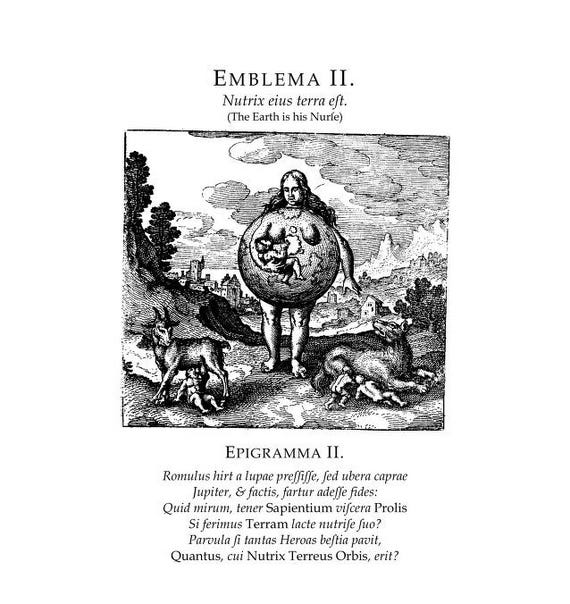
It is determined by the Peripatetic & other Philosophers of sound Judgment that the thing nourishing must be converted into the substance of the nourished & made like to it, not before but after it has received an alteration, & this is admitted as an undoubted axiom. For how should the thing nourishing, supposing it beforehand to be like to, or the same with the thing nourished, have need of any change in its essence, which if it should happen would hinder it from remaining the same or alike. For how should those things be received for nourishment which cannot be converted into a like substance with the thing nourished, as wood, stones, &c.