
A Bellyfull
Come along with us on an herbal journey ...

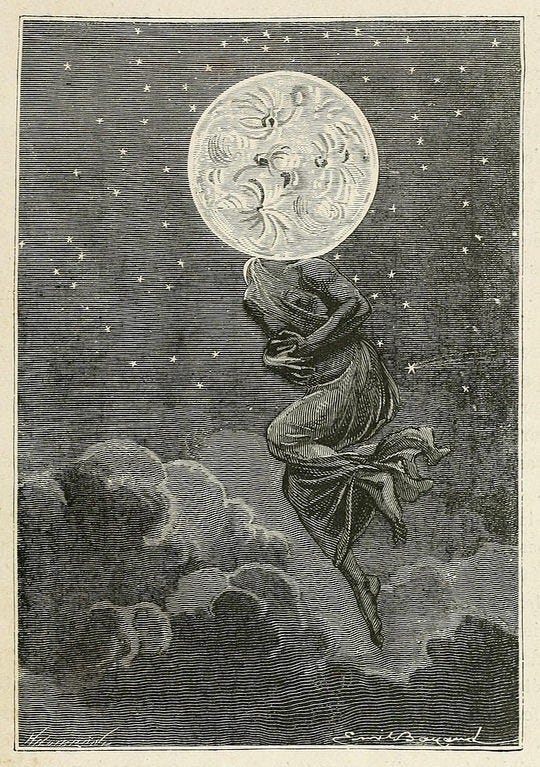
“Health” is a relationship. A relationship between your mind and your body, your consciousness and your sensations, yourself and your environment. When Erika held her uncomfortable bloated abdomen, it was to comfort, to rock pain away, to feel for signs and signals, to understand - very much in the same way you would do with a baby, a lover, a father or mother.
Our inter-personal relationships directly affect our “health”. Our relationship with what we eat, drink, etc. affects our “health”. Our relationship with the weather! Did we get too cold, too hot and dried out? We are engaged in an ever evolving dynamic organic changing relationship with all of life. This is “health”.
Perhaps it is when these relationships suffer, in the many ways that relationships will suffer, that we experience a loss of “health”.
Sometimes we have to work hard at our relationships to get deeper with each other, to get deeper with our own bodies … really get to “know” each other, surrender more deeply to each other and to ourselves … sometimes it is an all-night talking session … sometimes an all-night session working things out with our own bodies! But if we are not willing to give up on each other, if we keep demanding of each other until we are satisfied, we feel better in the morning.
Sometimes that all-night session takes a year, or more. Sometimes we have to keep trying one thing after another … we don’t really understand each other/ourselves yet, but we are not willing to give up. And if we are not willing to give up on each other or on ourselves, we can and will feel better in the end.

We won’t give away the punchline of this article. Let us follow the journey. Perhaps some of you reading will have figured the remedy right from the start. It took us a while!
BLOATED
At the beginning of 2025, Erika started experiencing this unusual and uncomfortable fullness in her abdomen. Being almost 52, and feeling a variety of subtle new physical changes, we were already aware that she was entering the time of life that we call “menopause”.
This was right around the start of the Community Herbalism study group. Since it was foremost on our minds, Corey asked the new participants if they could say anything about their experience of menopause in the context of herbal remedies. The groups were all women, except for Corey and Alexi. We were unprepared for the sense of impropriety that came with this question … most did not really want to talk about it. A few women were very open about their experience and did not seem to see it as a taboo topic. But it felt like it was not something most were accustomed to discussing, especially in a public setting, perhaps especially not with guys.
There is so much cultural history behind this taboo and the perspectives on menopause that dominate our society. This is not the subject of this article, and much has been written about this. This dysfunctional thinking is just one tentacle of our culture’s reductionist fear of human physicality, sexuality, disability, aging, etc. etc. etc.
You name it — if it is rumpled, eccentric, dirty, smelly, messy, injured, erotic, lusty or foreign, the modern approach has tried to iron it, smooth it out, make it “normal”, clean, tidy, proper, controlled, “youthful” and familiar. And they have a product to sell you for it!
But our story today is about Erika and her belly.
SUSUN WEED
We turned first to Susun Weed’s book:
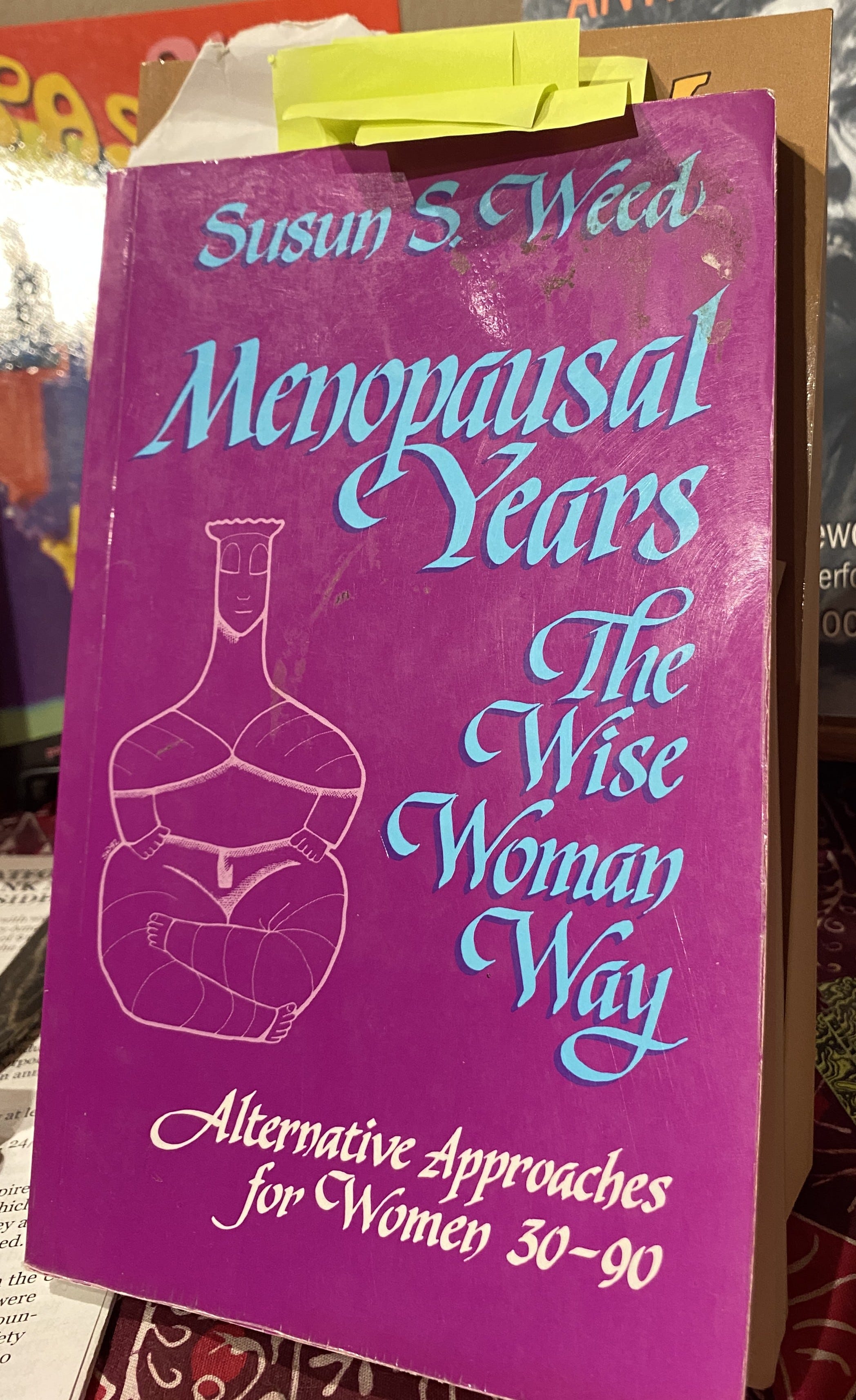
We read through it, consulting the index for symptoms, sticking post-its on pages. A year or so before, we had started stocking up on some of the herbs she recommends for this time of life … Black Haw, Vitex and Black Cohosh are starred as “my favorite hormone-balancing herbs for menopausal women”.
Work regularly with one — not all, please — of the following herbs for two weeks each month for three or more months, taking the recommended dose 1-3 times a day. Even erratic use of phytosterol-rich plants during the early menopausal years will help nourish your ovaries, adrenals, and pituitary, creating a smoother passage to your Crone's Crowning.
Our thought was that we would start trying these herbs to see if they could help normalize Erika’s experience. The following descriptions are from Menopausal Years:
Black Haw decoction
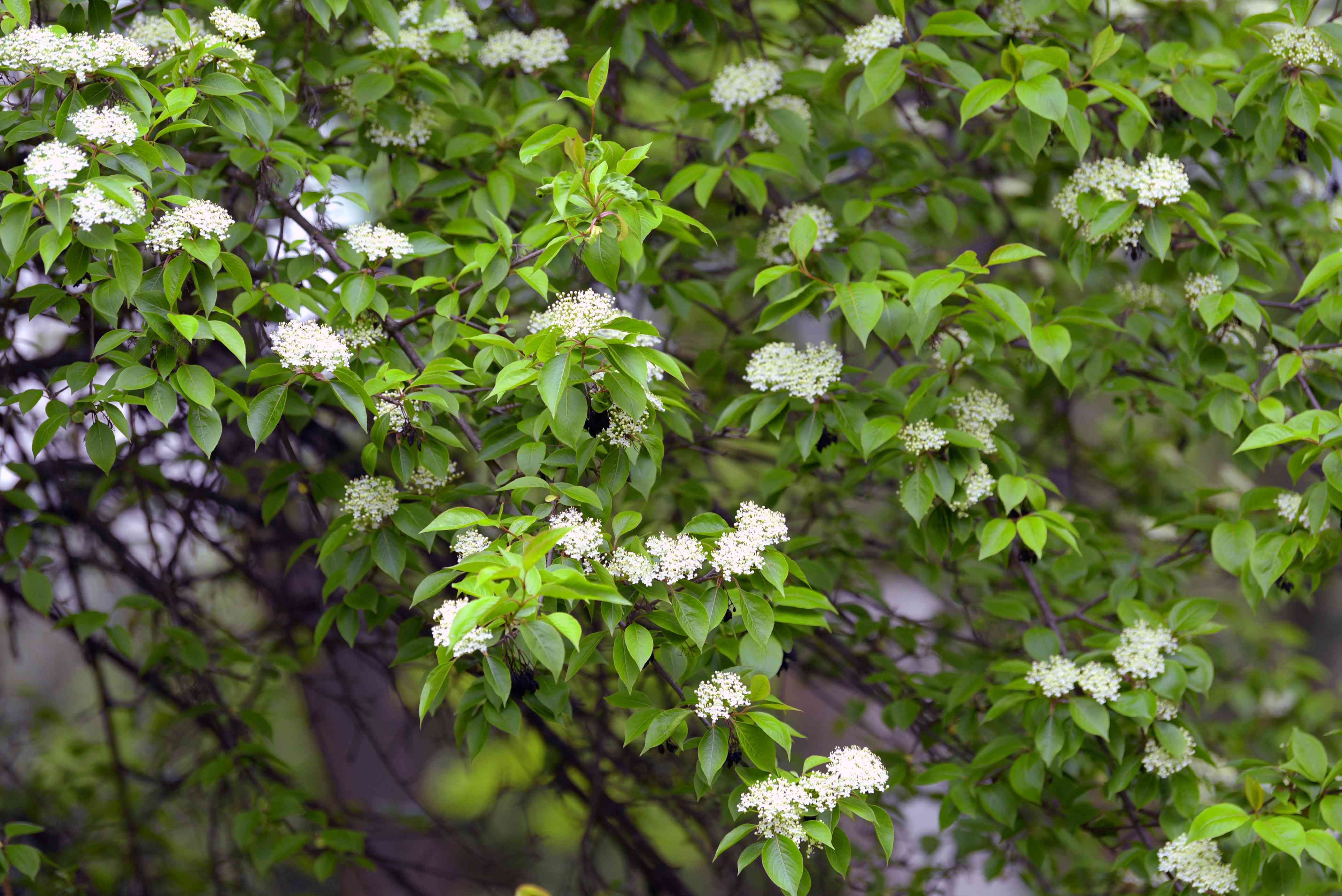
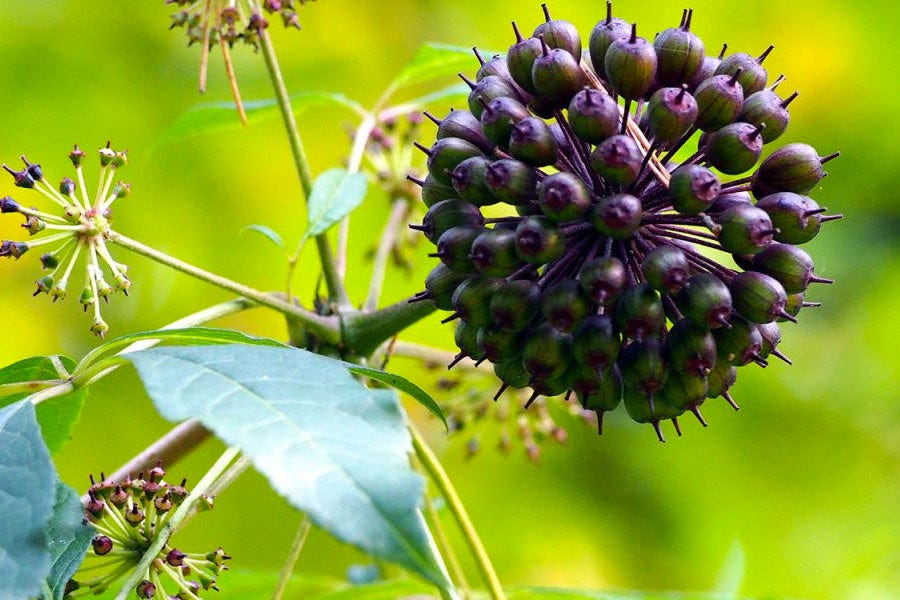
Black haw, Amerikanischer Schneeball, Viburnum (Viburnum prunifolium) is one of the few hormone-rich herbs highly recommended for women who bleed heavily; it also eases palpitations and menstrual cramps. Sip infusion of the root bark frequently, up to a cup/250 ml a day; or use 15-25 drops of root bark tincture.
Dong Quai decoction
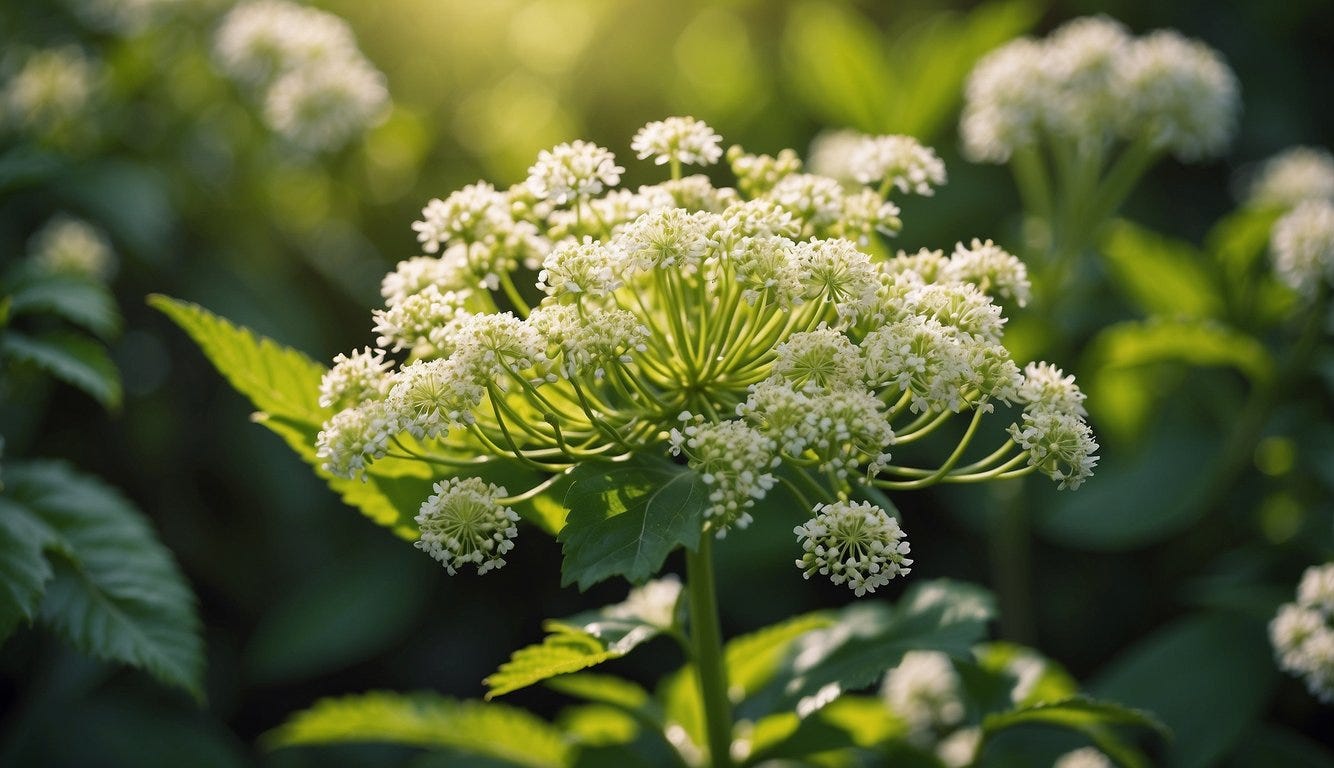
Dong Quai/Dang Gui (Angelica sinensis) is one of the most frequently used women’s herbs in the world. Use the tincture of fresh or dried roots, 10-40 drops, or infusion of the dried roots, up to a cup/250 ml a day. It supports estrogen production. CAUTION: Dong Quai/Dang Gui increases the possibility of menstrual flooding.
Vitex decoction
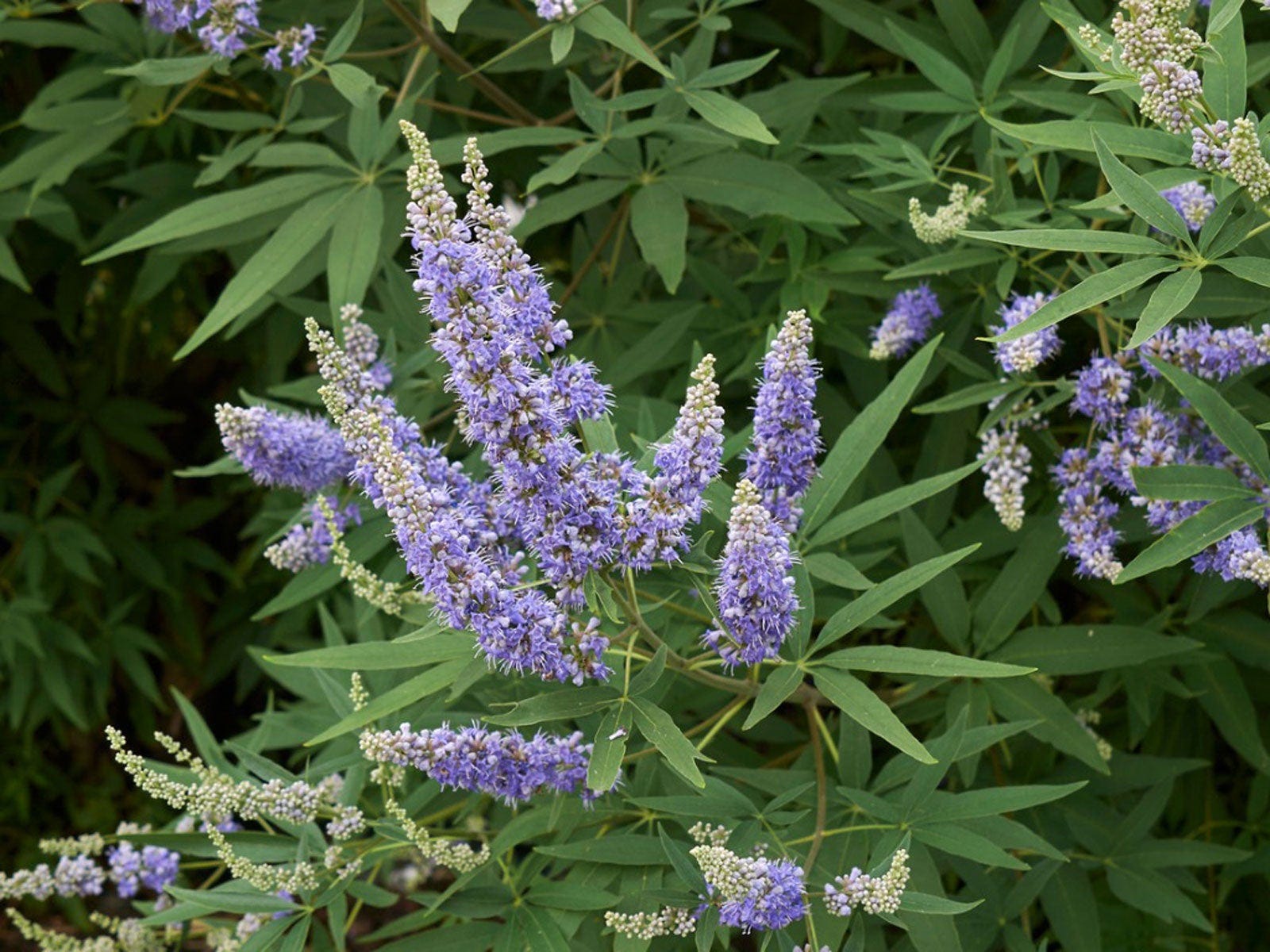
Chaste tree (Vitex agnus castus) is considered by some to be the herb for menopause. It is an especially important ally for the woman who comes to her menopause early, through natural or induced means.
Consistent use of vitex will greatly increase your levels of progesterone and leutinizing hormone (LH). Changes in these two hormones often precede changes in estrogen during the menopausal years. Use a tincture of the fresh or dried berries, 20-40 drops, several times daily.
Black Cohosh tincture
Black cohosh, Schwarze Schlangenwurzel, Cimicifuga (Cimicifuga racemosa) is clinically proven to be as effective as ERT in relieving menopausal problems such as hot flashes, sleep disturbances, and irritability. Take the root/rhizome infusion, a swallow at a time, up to a cup/250 ml a day; or use 10-60 drops tincture.
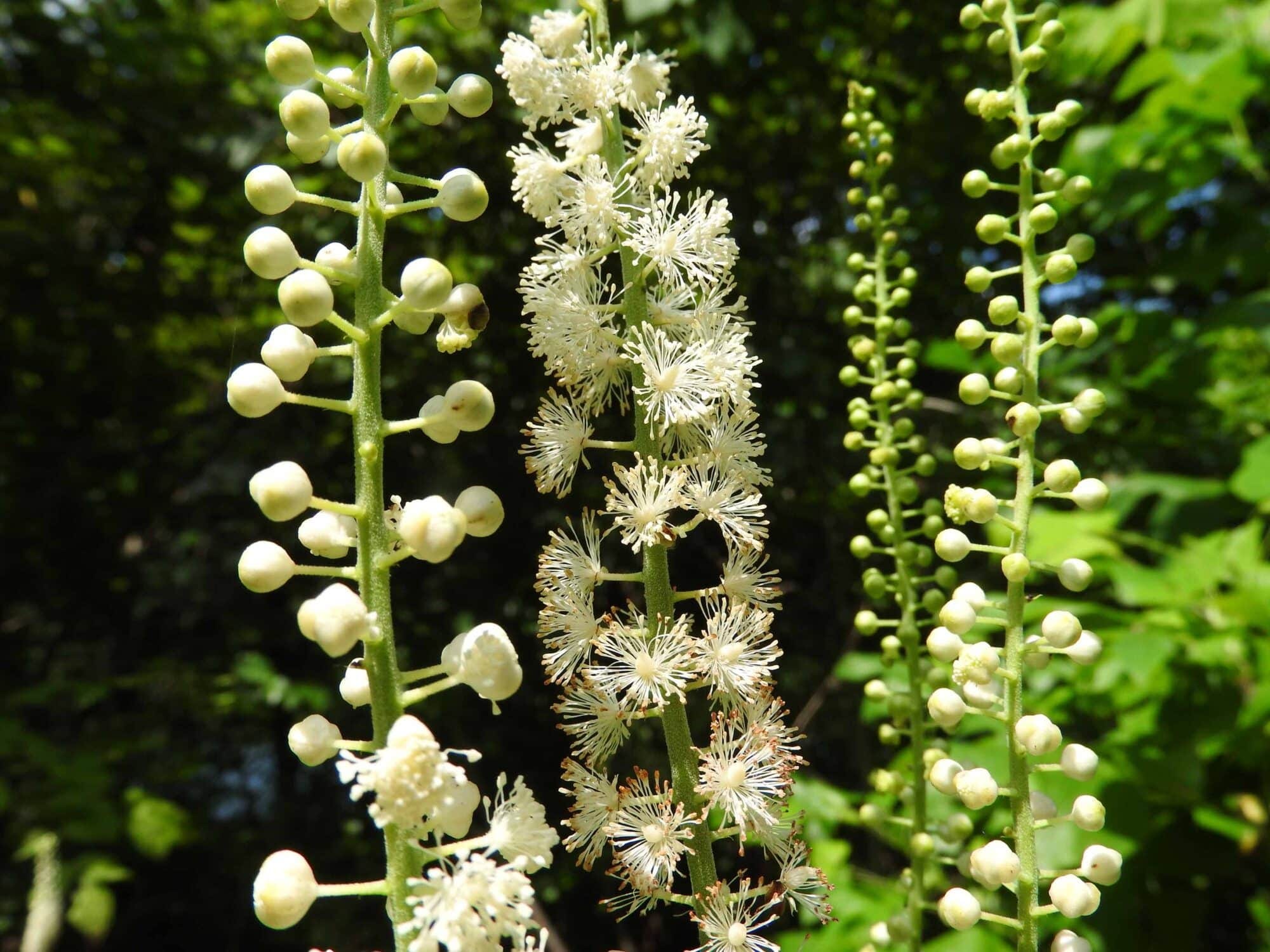
About Black Cohosh, elsewhere she writes that it also alleviates water retention, and increases your digestive juices. These of course were appealing features. However, Susun Weed warns that Black Cohosh is not to be used if you have menstrual flooding, and this is one of the reasons we tried it only sparingly.
Erika liked the Black Haw and the Dong Quai … The Vitex did not sit right, and the Black Cohosh gave her a headache. But nothing really addressed the uncomfortable feeling of fullness. We wondered if she was retaining water in her abdomen, if she needed to warm her “core”, not really knowing exactly what that might mean physiologically, but feeling it out poetically. She had some darkness under her eyes … was this related to hormonal changes and adrenal exhaustion? We got Eleuthero, and Erika tried taking this. She also tried taking it with Vitamin E, a recommendation we found in Susun Weed’s book as well. But this combination did not sit well.
ACUPUNCTURE - First try
Erika went for acupuncture. He was someone we had seen shortly after moving to the area. We asked him if he could send us a short explanation of what he saw from her tongue and pulse, and what he treated her for.
Among some other things, he mentioned Spleen Qi deficiency. This diagnosis is often associated with poor digestion and bloating. It calls for warming and nourishment of the “spleen”. Warming, mild foods, staying away from cold, raw foods. This is a very familiar piece of advice from TCM practitioners, with a lot of value in it.
We have always eaten really well, and much of our diet fell into these recommendations. We latched on to the warming aspect and continued to experiment with herbs that would warm the core, like dong quai. We also tried cinnamon, which might also help with the heavy flow at the beginning of her period. Honestly, we tried lots of carminatives from the kitchen apothecary! Warming herbs help aid digestion, so we experimented!
In the past, Erika had bouts of what she called “stuck gas”! But somehow this felt different. She really did not know if it was gas, water, or what it was …
And still nothing we were trying seemed to help …
SOUTHERN FOLK HERBALIST PHYLLIS D. LIGHT
Corey was taking online herbalism classes through the Matthew Wood Institute, many of which were co-taught by southern folk herbalist Phyllis Light, who we really liked. We decided to contact her and see if she would be willing to do a remote consultation.
Before the consult, Erika had her yearly check-up and labs so that these could be available to Phyllis in case they were relevant. We also sent her Erika’s herbal regimen at that time (the skin formula, and chamomile/alfalfa tea were for Erika’s patches of psoriasis):
HERBAL
- Raspberry leaf tea -- daily w/ spearmint & sage
- Skin formula – burdock, milk thistle, Oregon grape, red clover, dandelion, cleavers – 1 dropper/ day RECENTLY RESUMED after stopping for a month or so
- Chamomile/alfalfa tea – daily RECENTLY RESUMED after stopping for a month or so
- Dandelion & Dong Quai 3x/day (before or after meals)
- Yellow Dock - have taken at times when feeling bloated - sometimes it had helped, but not all the time
DAILY YOGURT & SAUERKRAUT
ALMOST DAILY KOMBUCHA
Phyllis was great! And there was almost nothing in our first consultation with her that focused on herbs! It was all about diet and lifestyle. The labs did not offer much to correct. The main dietary recommendations Phyllis made were to cut way back on eating duck eggs (we were raising ducks!), and to introduce more meat protein. To cut back on the legumes - Erika had been eating very little to no meat and having some variety of lentil or split pea with each night’s dinner.
We followed these recommendations and other tweaks to the herbal regimen. Phyllis removed alfalfa, saying that it was too forceful an herb to be taking regularly. But the other skin formula herbs and the dong quai she felt were good, especially because they were supportive to the liver.
She pointed out that during menopause, when there are a lot of hormonal changes, the liver can get stressed - so liver-supportive herbs and foods are very good.
She also suggested a daily food log, and Erika religiously kept a log of everything she ate, every meal, every day.
Phyllis also noted Erika’s heavy bleeding at the beginning of her cycles. She pointed out that fibroids can sometimes be responsible for this, and also may be causing the uncomfortable feeling in the abdomen. Erika’s intuition was that because the sensation was higher up, it was probably not this. And when we compared her bleeding to some of the descriptions of heavy bleeding in Susun Weed, Erika did not come close!
Phyllis also recommended fish oil, but this made Erika sick!
So we were still looking for an answer …
As we said, Phyllis was/is great!
But she disappeared!
Weeks turned into months … We found out later that she had been dealing with serious family health issues and had become unavailable.
Slowly over time Erika started to think it might really be about gas …
Now we were moving into September, and Erika still did not have any consistent relief. There were times when she would be in tears from the discomfort and the feeling that she was not well and could not figure it out.
ACUPUNCTURE - Second try
So we decided to try acupuncture again.
The sessions were very deep, both physically and emotionally.
She also gave Erika some TCM herbal formulas. When we looked up the ingredients, and hunted down the Chinese herbs, attempting to connect them to what we were familiar with in the Western materia medica, the formulas had a lot of very warming herbs! That would make sense if the bloating was from a sluggish cold digestion, and this is what we kept coming back to — but perhaps it was the wrong track.
Unfortunately, one formula made Erika nauseous and the other made her tongue burn! She couldn’t take them.
The acupuncturist also recommended digestive enzymes. We tried them …
As you can see by this point, we tried most everything anyone suggested!
The exceptions:
We did not get an ultrasound for fibroids
We did not try the GAPS diet!
STARTING TO PUT IT TOGETHER
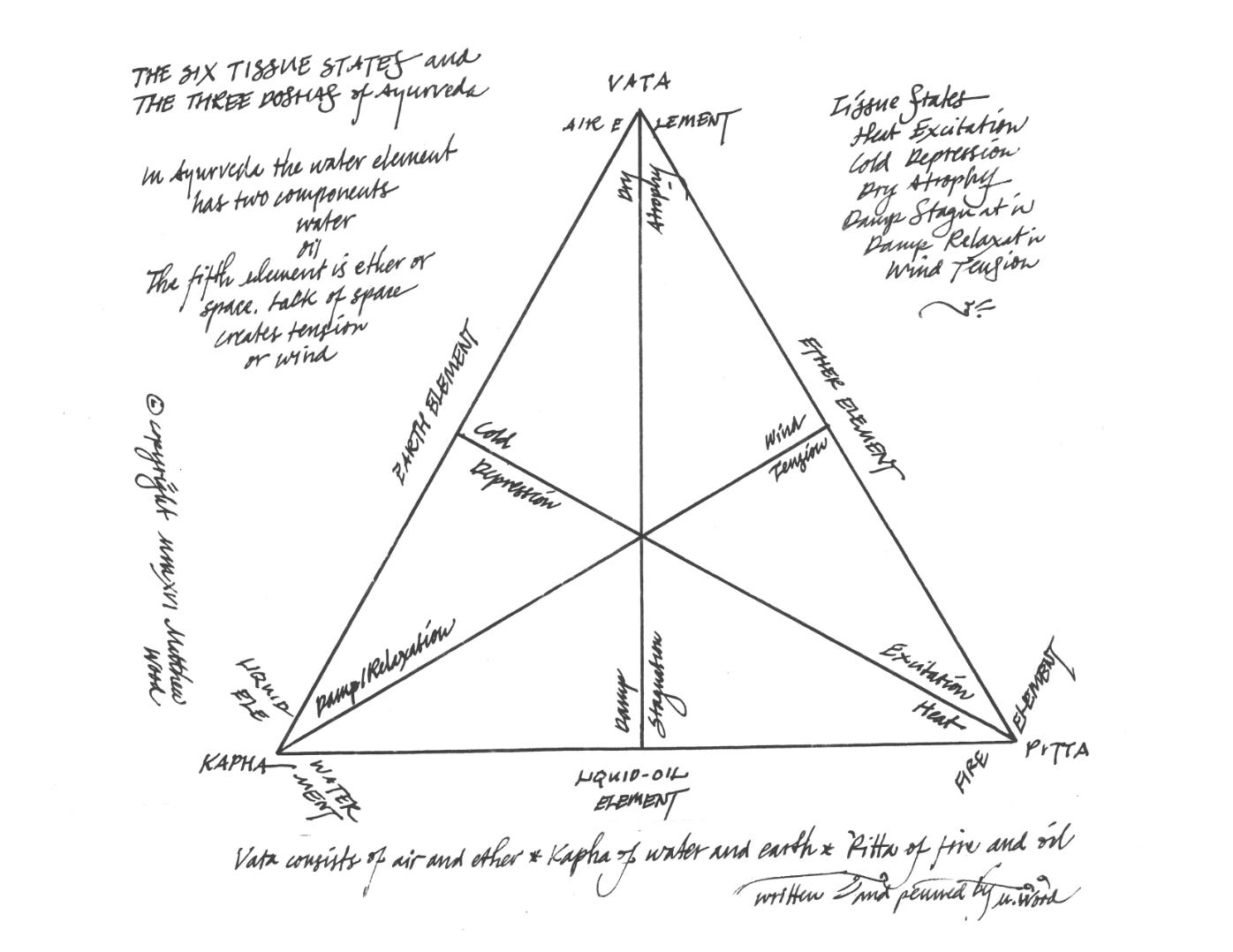
We are always reading about herbs and herbalism … As we read Matthew Wood’s introductory chapters to the Earthwise Herbal where he covers the foundational principles of energetic herbalism, something stood out. Wood often uses the Ayurvedic doshas as a practical way to understand energetics and select the right herbs for the health issue or constitution. When he described the Vata dosha, the thin, dry constitution, there were the terms “gassy” and “pale”. Well, that was Erika - gassy and pale. She was no longer skinny, but as a younger woman she was always very thin and definitely a Vata type - pale, fair, skinny, delicate.
And then we heard back from Phyllis:
Your bloating seems to be a mystery that is going to take some continued detective work. I’ve been wracking my brain, going through all the normal reasons. None of those seem to be the reason - leaky gut, probiotics, diet, fiber, etc.
New train of thought:
Is the bloating related to a drop in estrogen?
Is the bloating related to inflammation in the large intestine?
Is the bloating related to an unknown issue in the reproductive tract?
DROP IN ESTROGEN
We latched on to her mentioning the “drop in estrogen”, because from the beginning we felt that this bloating was related to menopause, but we did not understand how. So what did Phyllis mean?
Now we were into the middle of September, so a good 7 months or so since the symptoms started. And Phyllis came back with a wonderful synopsis which helped clarify so much!
A change of estrogen creates dryness in all mucous membrane tissues. Most commonly, we only think of the vagina but it also includes the digestive system, the bladder, and the lungs. At first, this change might be barely noticeable if at all. But over time, it certainly can impact health especially in the absorption of nutrients. It can also cause bloating and holding a bit of extra weight around the abdomen.
Inflammation in the lower intestines can be addressed with herbs like marshmallow, fennel, red clover, slippery elm, and aloe vera. These herbs help moisten the intestines and reduce inflammation. Eating moistening foods is also helpful such as soups and stews, steamed or boiled vegetables, and baked or boiled meats. Avoid fried foods and raw vegetables.
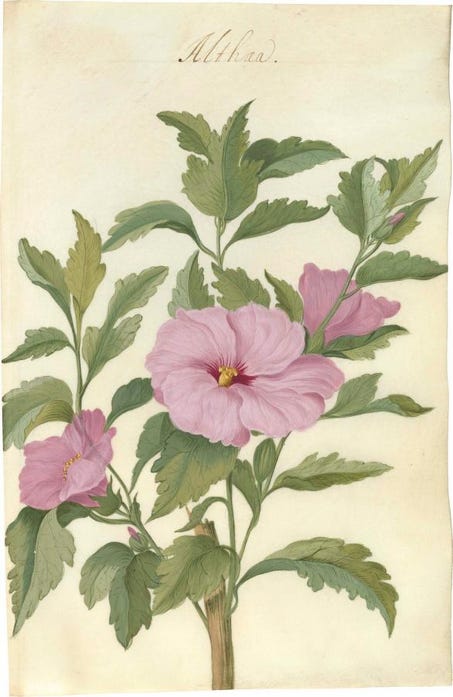
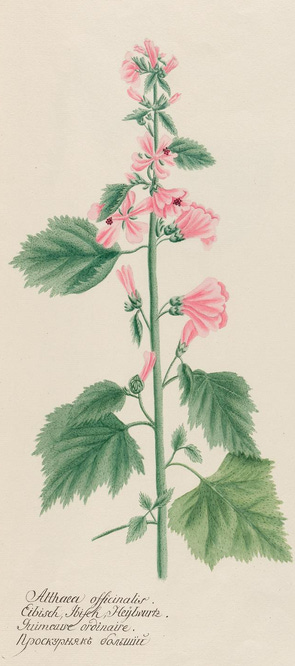
MARSHMALLOW ROOT (Althaea officinalis)
Aha!!
We had some marshmallow root on hand, and Erika started trying it.
It was not long before the bloating started to go away.
She made it part of her daily regimen, and the daily uncomfortable bloating stopped!
This is not to say that marshmallow root is an end in itself. The physiology of menopause is complex, and there are so many other things one can do to honor the menopausal journey with food, herbs, sex, ritual, etc. We did cut out raw vegetables, especially as we were moving into fall/winter. And the phytoestrogenic herbs can also be allies - herbs like Black Haw and Red Clover, among others. But marshmallow root is our revelation for the moment, and it is a good one!
And there are of course some great side effects. Erika has not had the itchy dry winter skin that she has dealt with in years past, and the marshmallow took away the vaginal dryness that she had started experiencing too.
As herbalist Jim McDonald points out in the video below, marshmallow seems to have the effect of lubricating all mucous membranes, whether it is directly in contact with them or not:
Erika did not rub marshmallow infusion on her skin, nor apply it to her vagina, but it worked anyway. When she used a topical salve or lotion for her dry skin, it obviously helped temporarily, but the marshmallow did all of this from the inside out.
Marshmallow root (Althaea officinalis) is incredibly effective at hydrating and soothing irritated tissues, containing mucilage, a gel-like substance that forms a protective layer over mucous membranes, locking in moisture and reducing inflammation. This makes marshmallow root a gentle yet powerful option for alleviating vaginal dryness. Many women find relief from dryness and discomfort by taking marshmallow root as a tea or supplement, allowing its soothing properties to work from the inside out.
Natural Solutions and Herbal Remedies for Vaginal Dryness (+ Recipe) - Seed Sistas
In retrospect it seems so simple and straightforward. We wondered later if there isn’t a bias these days toward looking at everything through the lens of diet and gut health, all of which was important to explore, but did not hit the mark.
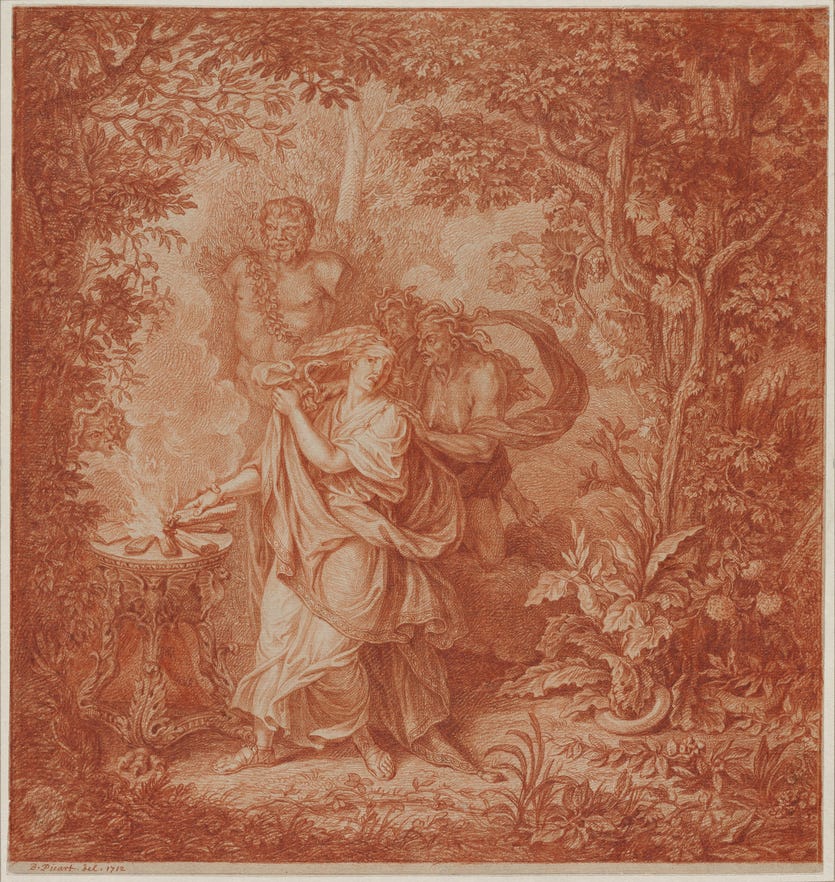
There was a billet of wood which, when the daughter of Thestius lay in childbirth, the three sisters threw into the fire and, spinning the threads of life with firm-pressed thumb, they sang: “An equal span of life we give to thee and to this wood, O babe new-born.” When the three goddesses had sung this prophecy and vanished, the mother snatched the blazing brand from the fire, and quenched it in water. Long had it lain hidden away in a secret place and, guarded safe, had safeguarded your life, O youth.
—Ovid, Metamorphoses Book VIII
The myth of Althaea (the latin name for Marshmallow) and the Three Fates centers on her removing a stick from the fire to save her son’s life. If that stick should burn through, her son was fated to die. She throws it into the water to put it out. True to myth, Marshmallow is cooling and moistening and brings new life to drying and atrophying parts of the body.
Of course, the images depicting the myth of Althaea all show the other part of the story — the moment she threw the stick back into the fire! After much personal torment over her son’s actions (he murdered her brothers), she finally decided to take the wood from where she hid it and return it to the fire to burn all the way through. This ended her son’s life.
Life can be rough!
The marshmallow seems so obvious now, but that is just sometimes how it goes, isn’t it?
It reminds us to stay committed to each other and to ourselves (really the same thing), and to enjoy the ride through illness and health as a living evolving body.

i had a similar long investigation to figure out why I had asthma starting either menopause or pause. finally it also was related to overly dry mucosa….i ultimately solved the asthma with triphala as it supports the large intestine however i do know how good marsh mallow is and how wonderful it is for feeding the gut. but i struggle to find a way to take it? how did you take the marshmallow? capsules or tea?